

The stories people tell themselves
Most people think mindset is about motivation or positivity, but it is much deeper than that. Mindset is the story you tell yourself about what is happening. It is the meaning you attach to a slow week, a quiet customer, a missed message, or a conversation that did not go the way you hoped.
Two people can have the exact same experience and walk away with completely different interpretations. One person sees a closed door. Another sees a moment to learn. The difference is not the event. It is the story.
In our business, the stories people tell themselves shape everything. They shape how often someone shows up or how often they reach out to prospects for your business team. They shape how someone handles discomfort and how someone responds when things feel slow.
A person with a supportive mindset sees slow progress as part of the process. A person with a fearful mindset sees slow progress as a sign that they are not cut out for this.
The event is the same. but how you look at it is the difference between progress and stagnation in your business.
The lens you look through
Every person sees the world through their personal lens, and that lens is shaped long before adulthood.
It is shaped by the way you were spoken to as a child or young adult, the expectations placed on you, the encouragement you received, the criticism you absorbed, and the way people responded when you tried something new.
It is shaped by the moments when you felt capable and the moments when you felt small. It is shaped by the people who believed in you and the people who didn’t.
That lens becomes the filter through which you interpret everything. It becomes the voice that whispers in the background. It becomes the quiet narrator that tells you what things mean.
When someone does not respond, your lens decides whether you think they are busy or whether you think you said something wrong. When your text is left unread, its whether you interpret that as they must be busy or they don’t want to talk to me anymore.
When a week is slow, your lens decides whether you think it is normal or whether you think you are failing. When you try something new, your lens decides whether you feel curious or whether you feel exposed.
Most people do not realize how much of their present is shaped by the voice of their past.
Recognizing the voice of the past
For most people, I’ve observed, the voice of the past is negative. It speaks in final statements instead of possibilities. It tells you what you cannot do instead of what you can learn. It shuts you down instead of opening you up.
Its subtle. Its familiar. Its nagging. It sounds like you, but it is not you. It is the old story that tells you that you are not enough, that you will fail, that people will not trust your words and actions.
Its the quiet voice in your brain that says you should not try unless you can guarantee the outcome. It is the voice that tells you to shrink, to wait, to hold back, to stay safe or to reach, to jump, to take the risk.
You can recognize the voice of the past by its tone. It is absolute. It is certain.
When you hear that voice, you are not hearing truth. You are hearing memory.
For me, I had a big challenge with getting paid for the work I did. Internally, I just expected that even though I would do the work, somehow the payer would not come through. This manifested in me not working as hard as I could toward my goals.
One of my biggest moments that broke that pattern was when I won a vacation trip from the MLM company I was building my business around. We were sitting inside the airport, still pretty broke, but had an all-expense-paid trip to the Moon Palace near Cancun. We were REALLY going even though we really wouldn’t have been able to afford it if it weren’t gifted to us.
It really shifted my mindset to believing I COULD get paid if I worked hard toward a goal. My business built faster after that. And I’ve never looked back. I’m a cup-half-full guy now.
Choosing a new lens
Mindset is not about silencing the old voice. It is about recognizing it and choosing not to follow it. It is about noticing when the past is trying to interpret the present.
It is about choosing a new meaning. It is about choosing a new story. It is about choosing a lens that supports you instead of a lens that limits you.
A supportive lens does not pretend everything is easy. It simply tells the truth. It tells you that learning takes time. It tells you that progress is uneven. It tells you that people are busy, not rejecting you. “They just don’t want the cookies right now because they are on a diet.” It’s not personal. They don’t hate you!
It tells you that you are capable of figuring things out. It tells you that you can grow into the person you want to become.
A supportive lens does not erase fear. It simply keeps fear from being the narrator.
How mindset affects action
Mindset determines whether someone takes action or avoids it.
When someone believes they are capable, they try. When they believe they are not ready, they wait.
When they believe people want to hear from them, they reach out. When they believe they are bothering people, they hesitate.
When they believe they can learn, they experiment. When they believe they must get everything right, they freeze.
Most people are not inconsistent because they lack discipline. They are inconsistent because their mindset makes every action feel heavier than it needs to be.
When someone carries doubt, every message feels risky. When someone carries fear, every invitation feels personal. When someone carries insecurity, every silence feels like rejection.
Mindset is not about thinking positive. It is about thinking clearly.
The weight of self-talk
The way someone speaks to themselves matters more than any script, strategy, or training. Self-talk can either build someone up or quietly dismantle their confidence.
When someone tells themselves they are behind, they feel pressure.
When they tell themselves they are failing, they feel shame.
When they tell themselves they are not good at this, they stop trying.
But when someone tells themselves they are learning, they stay open. When they tell themselves they are growing, they stay patient. When they tell themselves they are capable, they stay in motion.
Self-talk is not about pretending everything is perfect. It is about choosing language that keeps you moving instead of language that shuts you down.
How mindset shapes resilience
Resilience is not about being tough. It is about being willing to return. It is about coming back after a slow week. It is about trying again after a conversation that felt awkward. It is about staying in the game long enough to grow into the person you are becoming.
Mindset determines whether someone sees a setback as a stop sign or a stepping stone. People with a resilient mindset do not avoid discomfort. They understand that discomfort is part of learning. They do not interpret challenges as personal failures. They interpret them as part of the process.
Resilience grows when someone believes they can figure things out. It grows when they trust themselves enough to keep going. It grows when they stop expecting perfection and start expecting progress.
The mindset that supports growth
A growth-oriented mindset is not loud or dramatic. It is steady. It is patient. It is curious. It is willing to learn. It is willing to be new at something. It is willing to take small steps without demanding immediate results. It is willing to see the long arc of success instead of the short bursts of excitement.
People with a growth mindset do not need everything to go right. They simply need to know they are moving in the right direction.
A supportive mindset does not eliminate fear. It simply keeps fear from making decisions.
Where mindset begins
Mindset begins with awareness. It begins with noticing the stories you tell yourself. It begins with recognizing when your thoughts are helping you and when they are holding you back. It begins with choosing interpretations that keep you in motion instead of interpretations that shut you down.
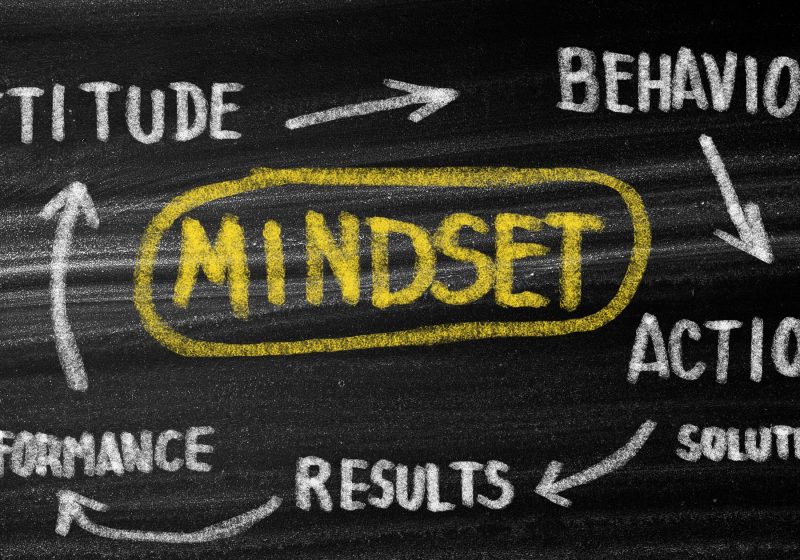
When you shift your mindset, you shift your experience. When you shift your experience, you shift your results.
Your mindset is not fixed. It is something you shape every day.
It is something you grow into. It is something you strengthen by showing up, learning, adjusting, and trying again.
When your mindset supports you, everything else becomes easier. Conversations become easier. Consistency becomes easier. Confidence becomes easier. Growth becomes possible.
Keep smiling. Youve got this.